 LinkedIn
Unlock content
Share this
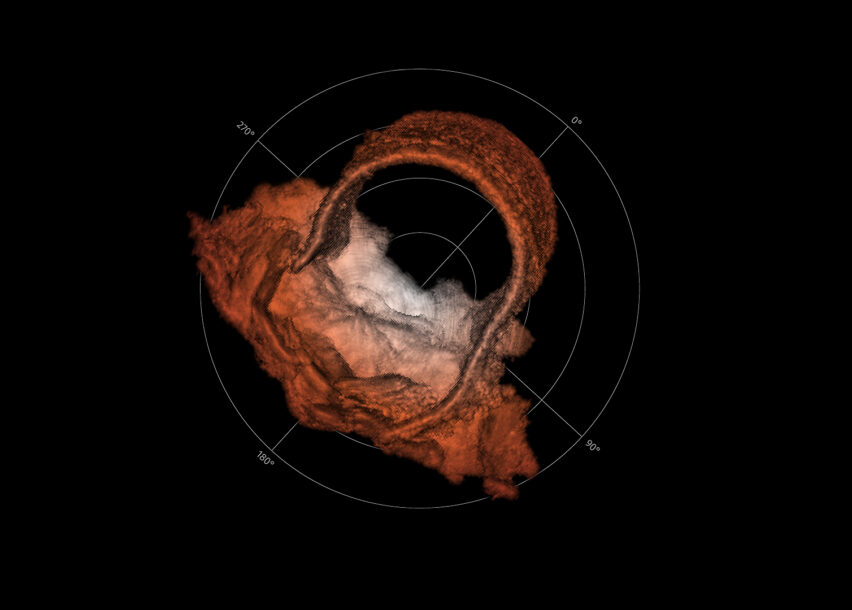
An operator was performing frac prep on a pad of new wells when they encountered a hard obstruction blocking access to one of the wellbores. With frac operations imminent, they called in DarkVision to diagnose the obstruction before proceeding.
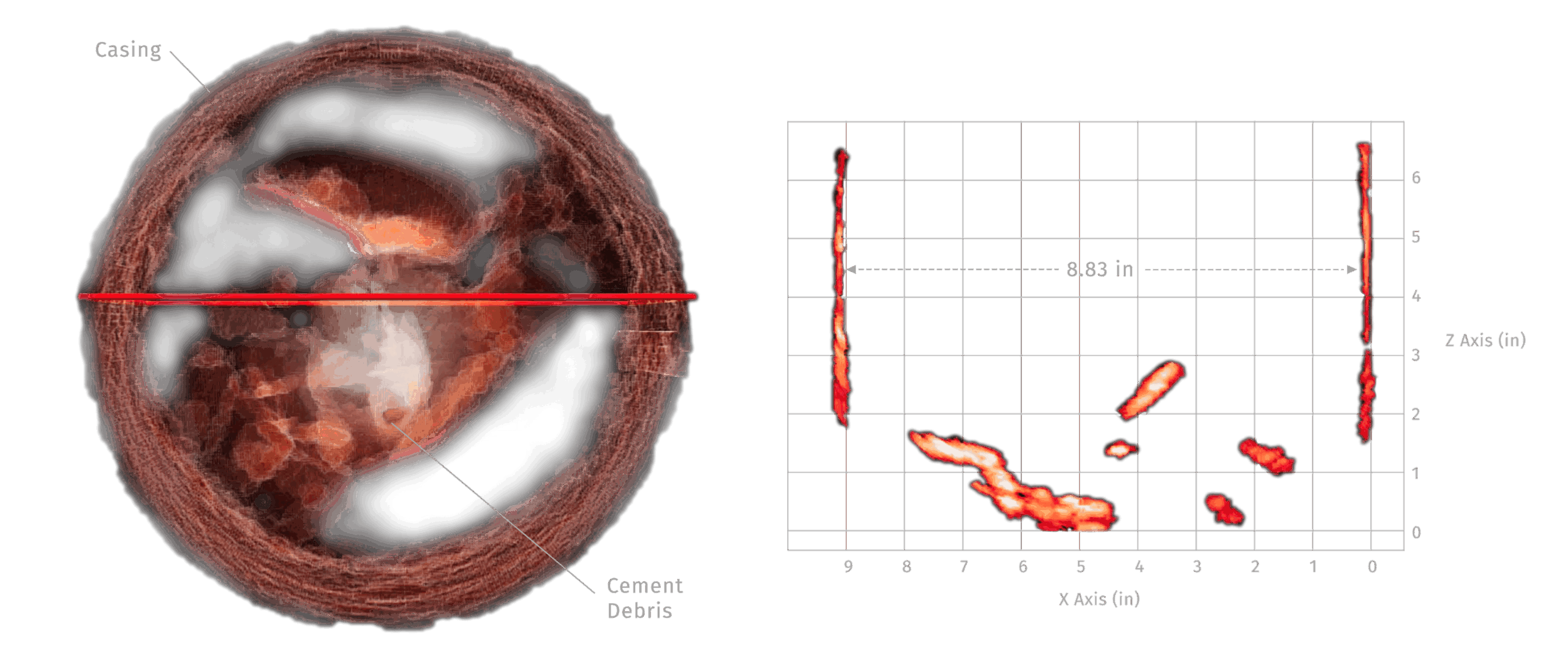
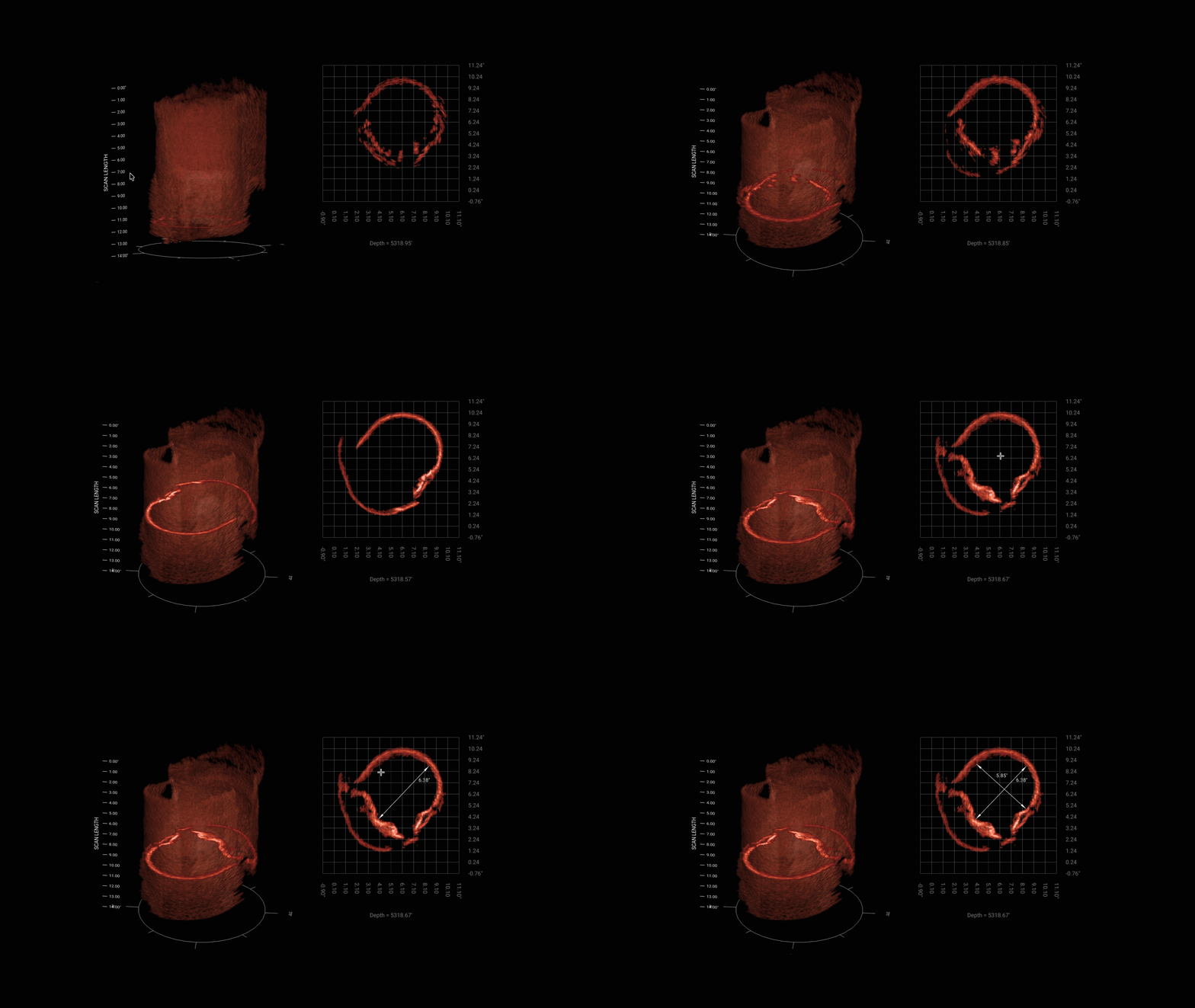
DarkVision performed a HADES-F scan at the obstruction depth. Where 5.5-inch casing was expected, the scan returned a measured diameter of 8.83 inches — the 5.5-inch casing was gone, and the tool was measuring the intermediate casing behind. The scan also identified debris in the wellbore consistent with cement fragments, indicating that annular material had fallen into the well after the inner casing failed.
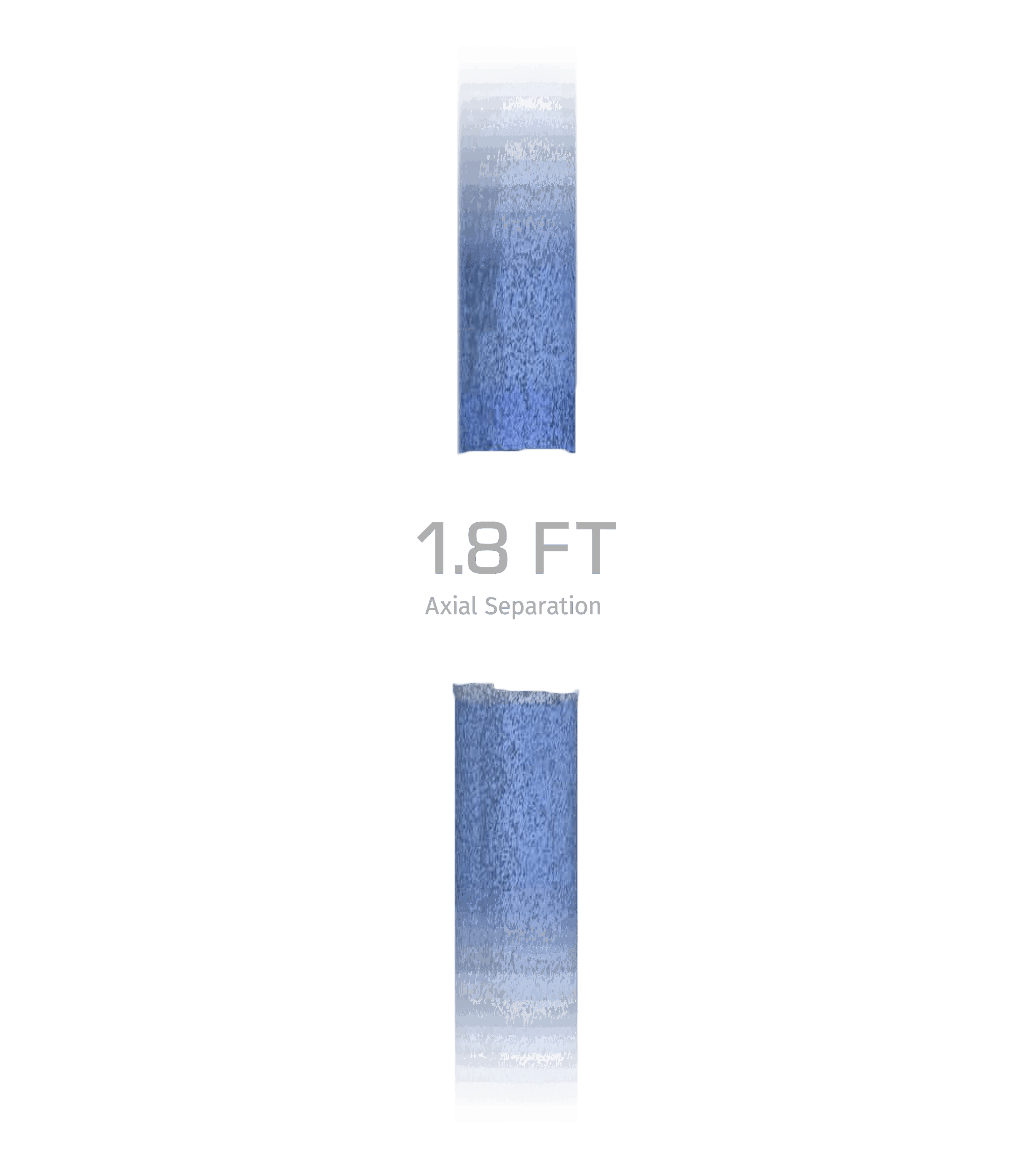
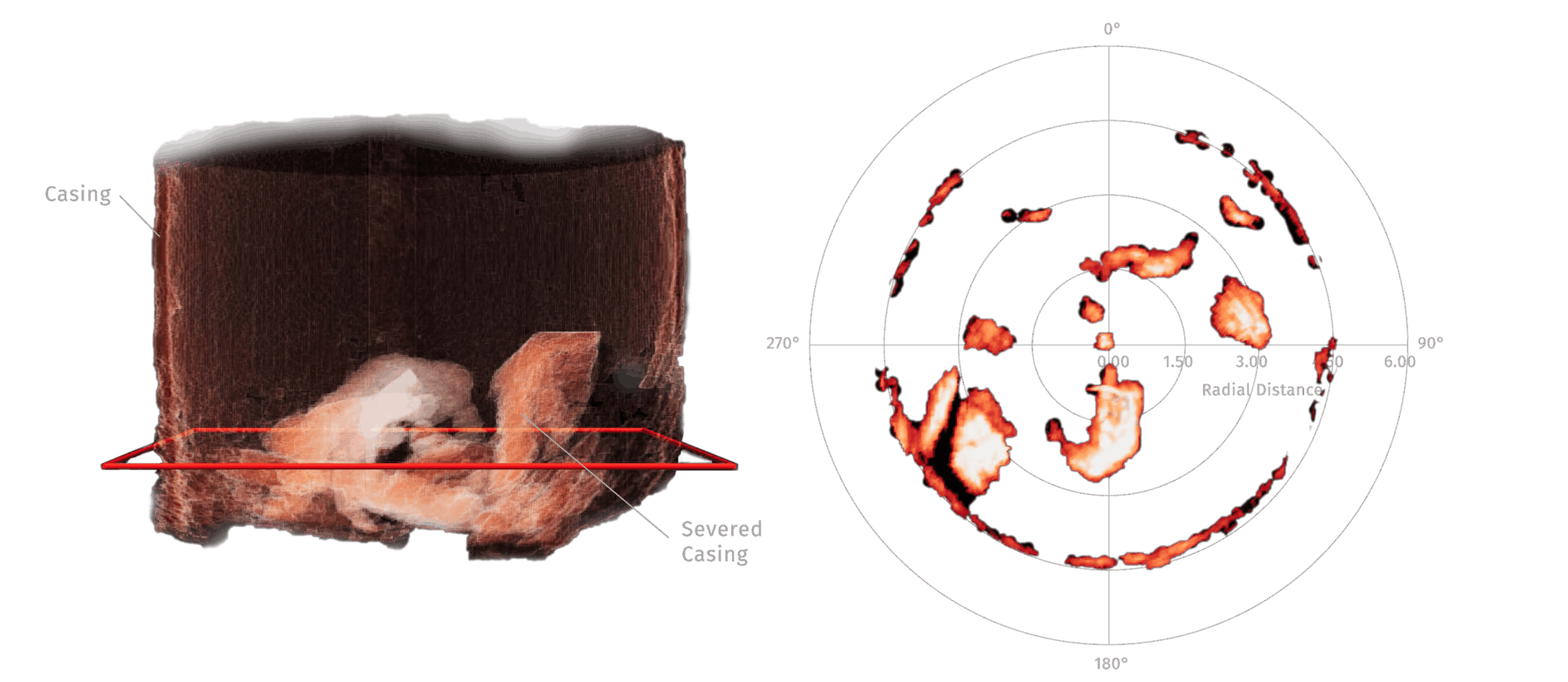
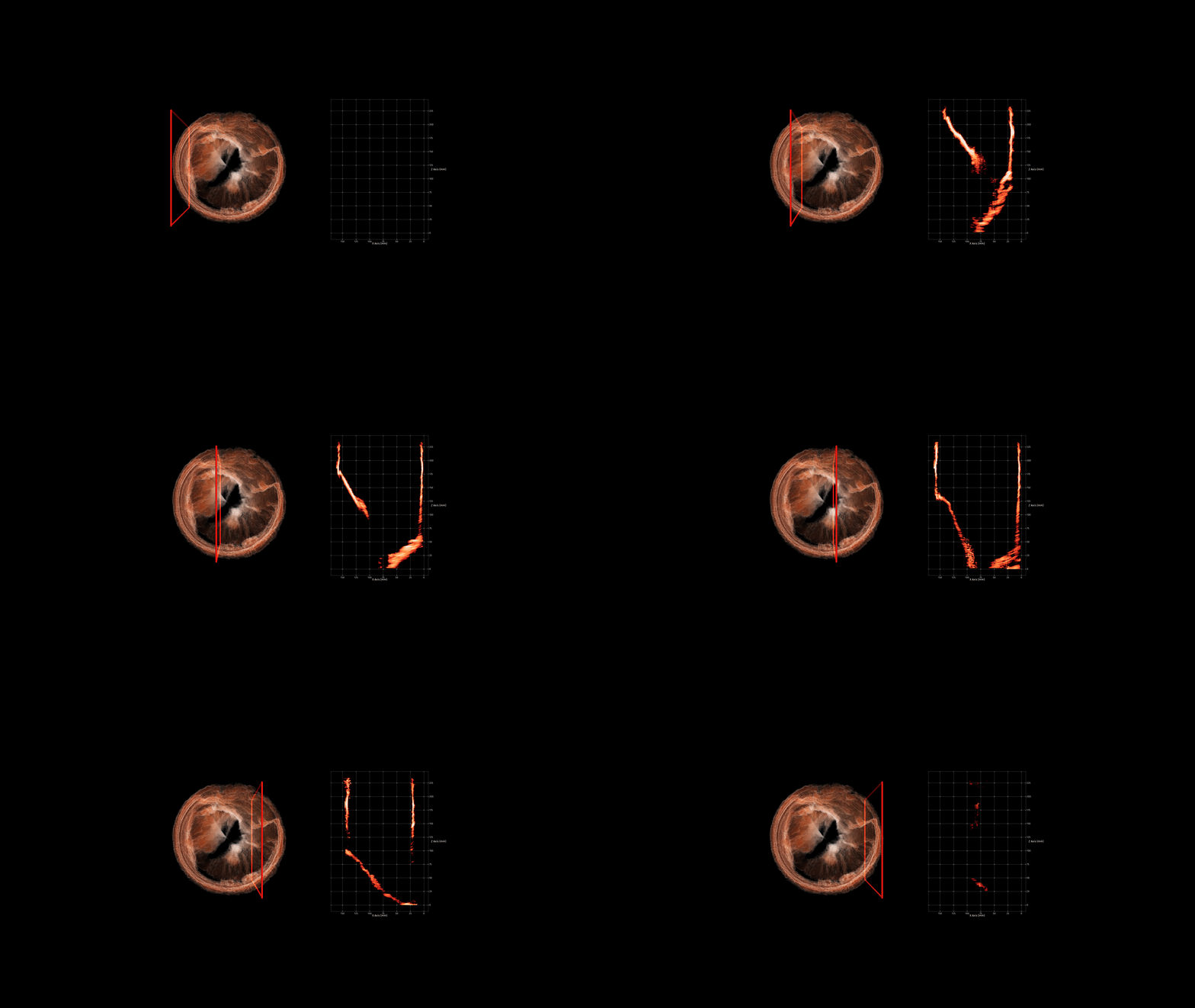
With a definitive HADES-F scan completed the operator pushed the obstruction down well, and DarkVision rescanned the same interval using the HADES-R radial tool. The radial scan confirmed that the casing had split at a connection, with threads from both the top and bottom of the joint visible on either side of the breach.
The operator ran a patch over the split casing with a 20-foot buffer above and below the split to ensure integrity. Extended reach plugs and guns, which have a smaller diameter than standard plugs and guns, were small enough to pass through the restricted inner diameter at the patched section.
Had the operator not called in DarkVision, they would likely have used a workover rig to mill through the obstruction without diagnostics, pushed the cement obstruction to bottom, and proceeded to frac without being aware that the casing had parted. Hydraulically fracturing a wellbore with a fully separated casing string and damaged cement risks frac fluid bypassing the target interval entirely, proppant pack-off behind casing, and unrecoverable loss of the wellbore below the separation.
Unlock content
Unlock content
Unlock content

Unlock content
Unlock content
Unlock content

Unlock content
Unlock content
Unlock content
By clicking Submit you’re confirming that you agree and consent to our Terms and Conditions.
By clicking Submit you’re confirming that you agree and consent to our Terms and Conditions.