 LinkedIn
 Unlock content
Share this
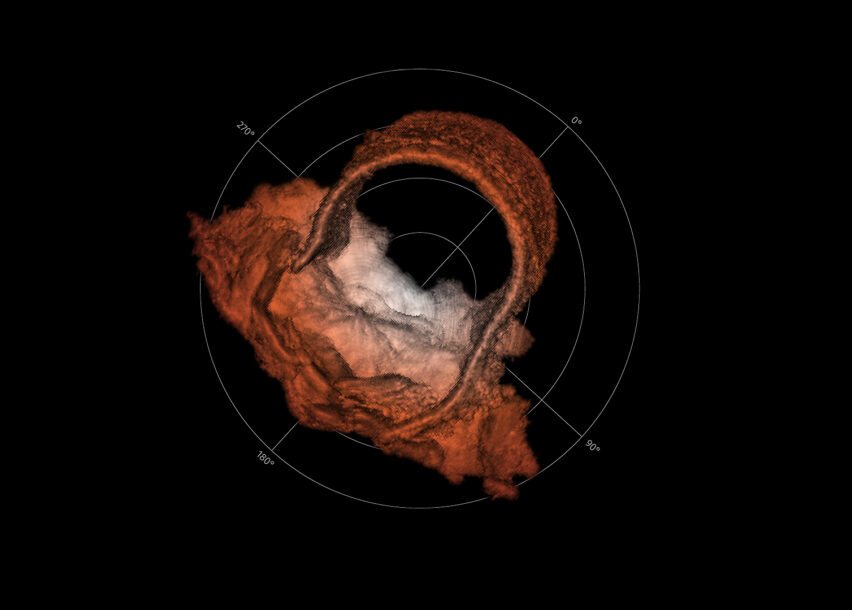
An operator was hydraulically fracturing a well when the perforation guns were pumped off. The guns had accelerated through a restriction created by a known casing patch, resulting in separation from the wireline.
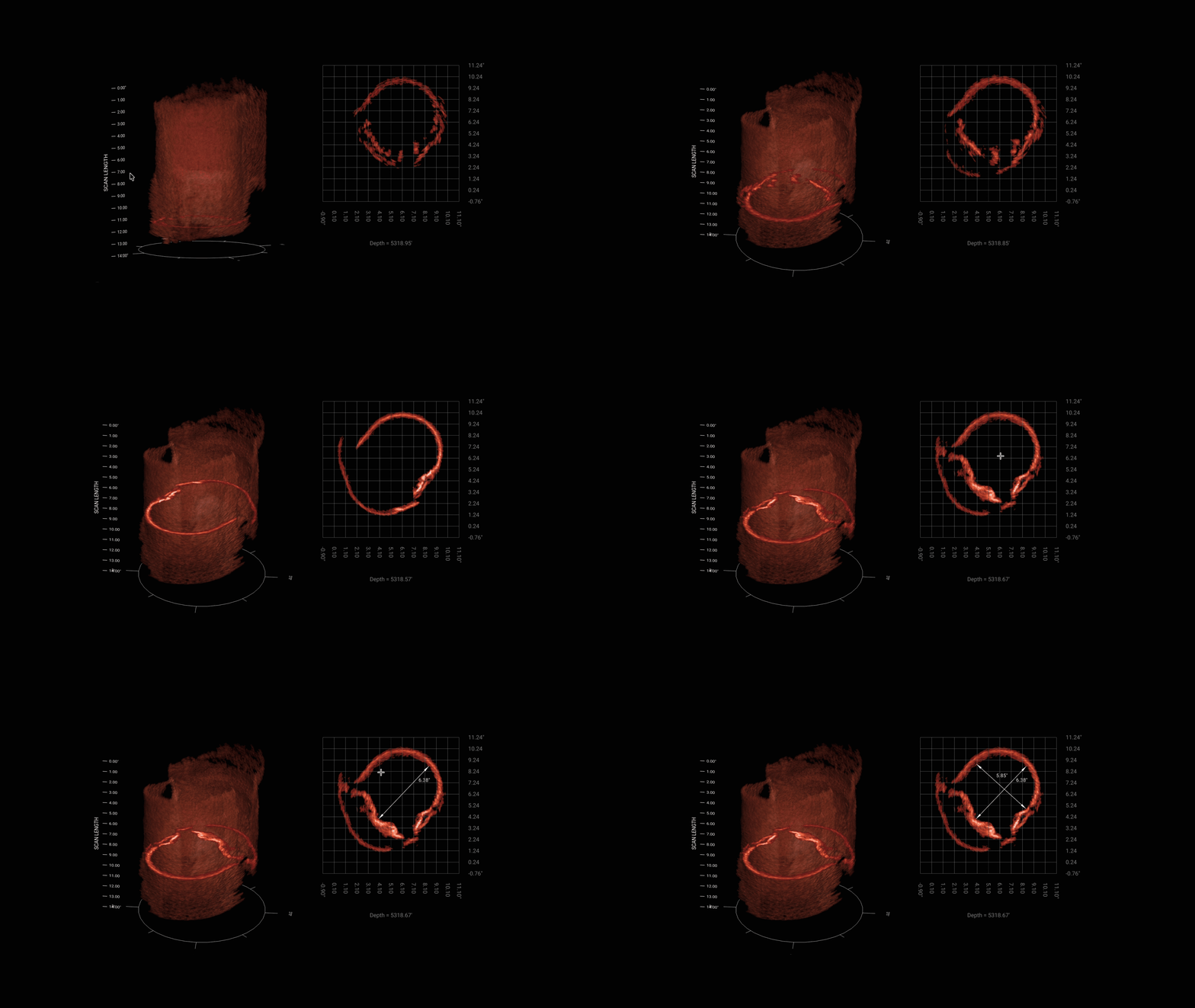
The wireline vendor assured the operator it was a true pump off — the wireline had parted at the head and the fish could be retrieved with an overshot. The operator was skeptical and believed that wireline was likely left in the well. The approach to retrieve the fish would vary significantly depending on whether wireline was left downhole — an overshot could be pumped down with braided line mid-frac for guns alone, but wireline down well would require a coiled tubing unit to spear the fish after frac on the other wells was complete.
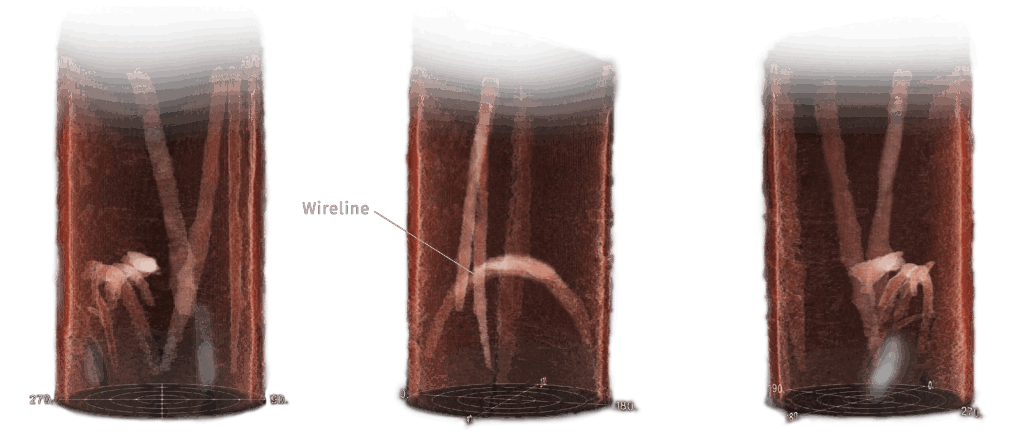
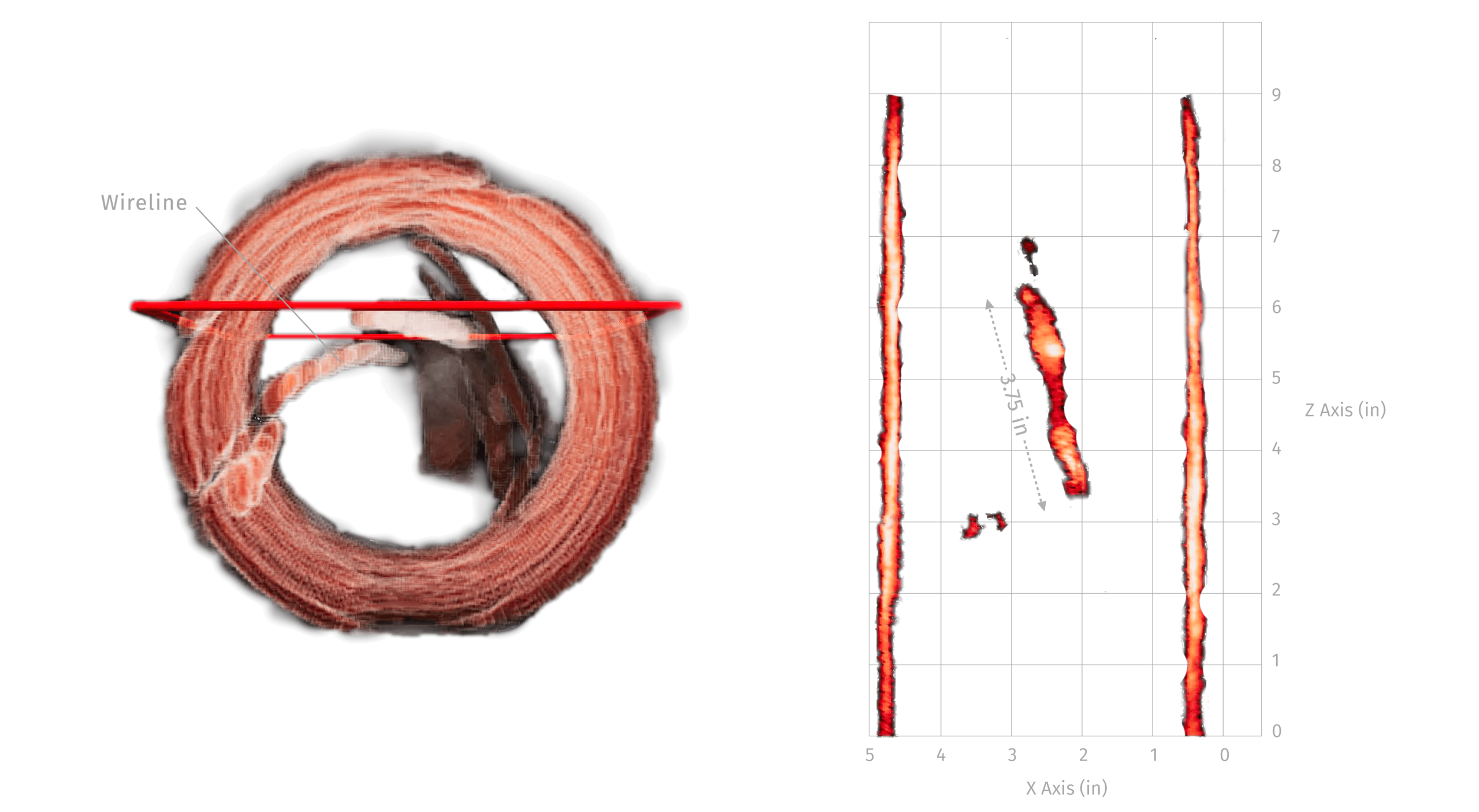
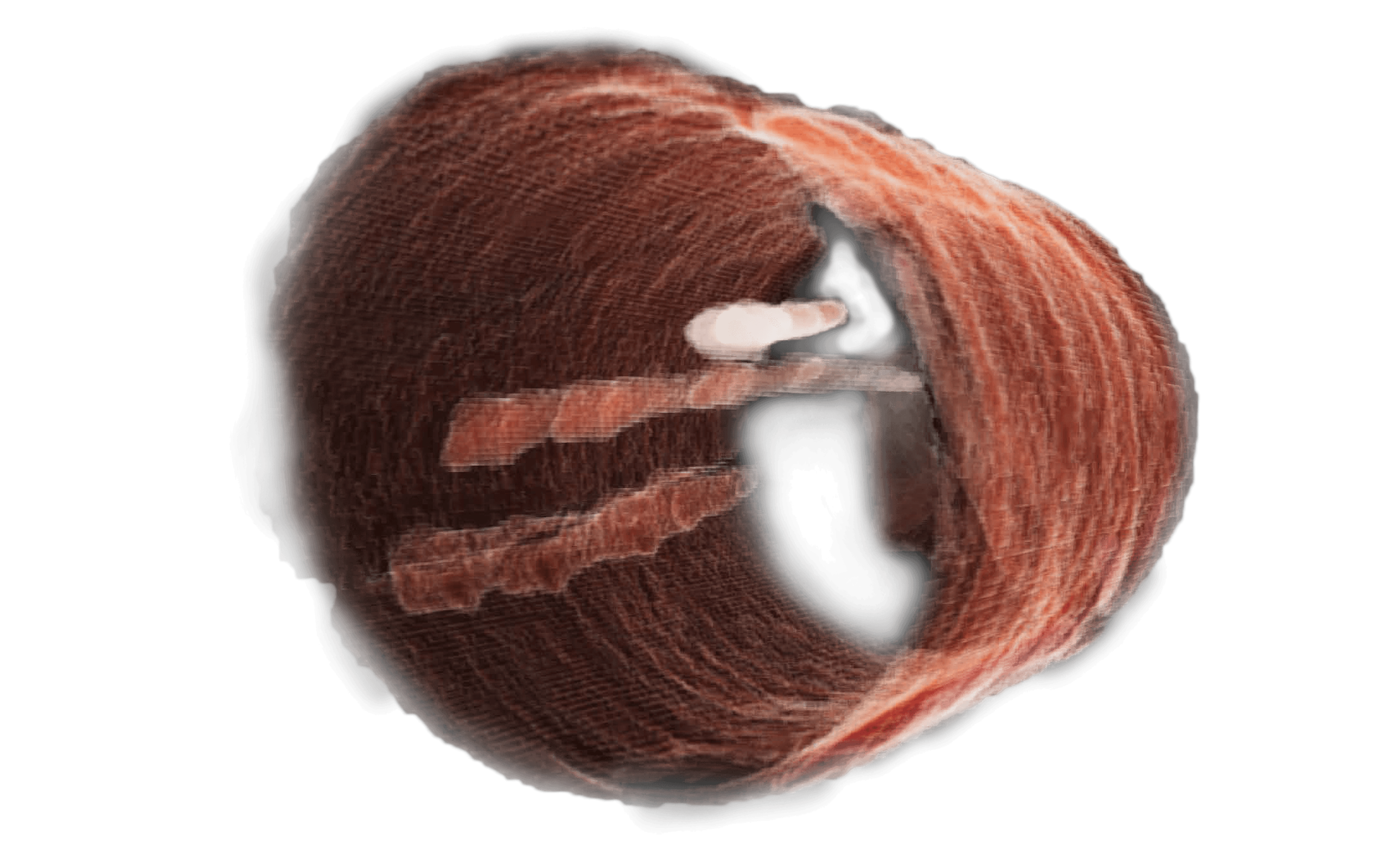
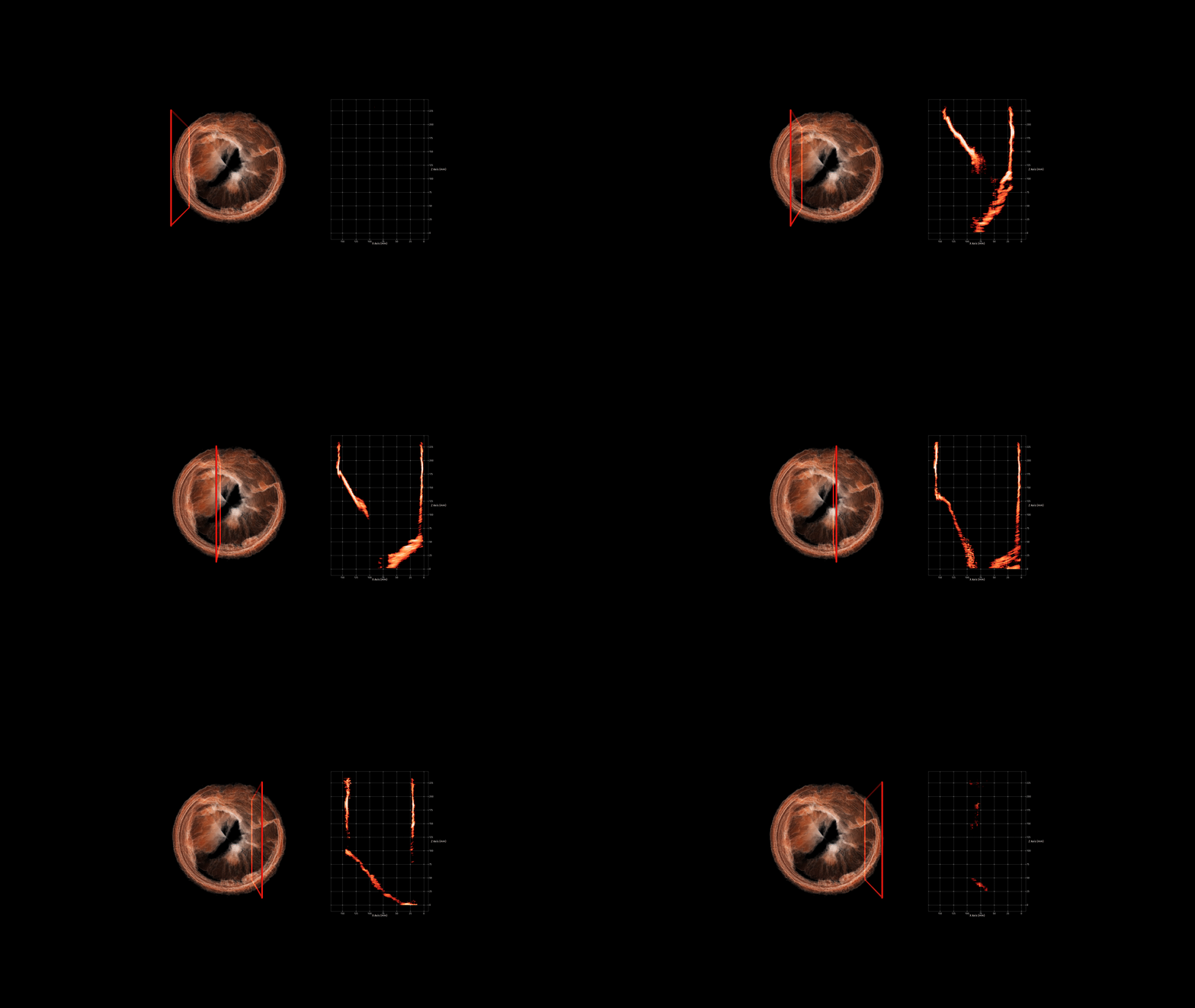
The HADES-F scan clearly identified gathered wireline cable, confirming the operator’s suspicion.
With wireline confirmed in the well, the operator knew retrieving the fish with an overshot was not viable. HADES-F imaging enabled them to avoid multiple unsuccessful attempts to remove the fish while paying for frac to stand by on location.
The operator then evaluated running a wireline spear on coiled tubing, but the nature of the gathered wireline and the ID restriction at the casing patch made this too risky — the ball of wireline could be too large to pass the restriction and create a secondary obstruction. The most economical and reliable path was to abandon the guns, push them to the toe of the well, and proceed with frac.
The rapid turnaround of HADES-F diagnostics allowed the operator to make a decision while frac crews were still on location. This eliminated the need to mobilize a dedicated frac crew for the well at a later date — avoiding significant additional cost alongside unnecessary fishing attempts and risk to the wellbore.
Unlock content
Unlock content
Unlock content
Unlock content
Unlock content

Unlock content
Unlock content
Unlock content
Unlock content
By clicking Submit you’re confirming that you agree and consent to our Terms and Conditions.
By clicking Submit you’re confirming that you agree and consent to our Terms and Conditions.