 LinkedIn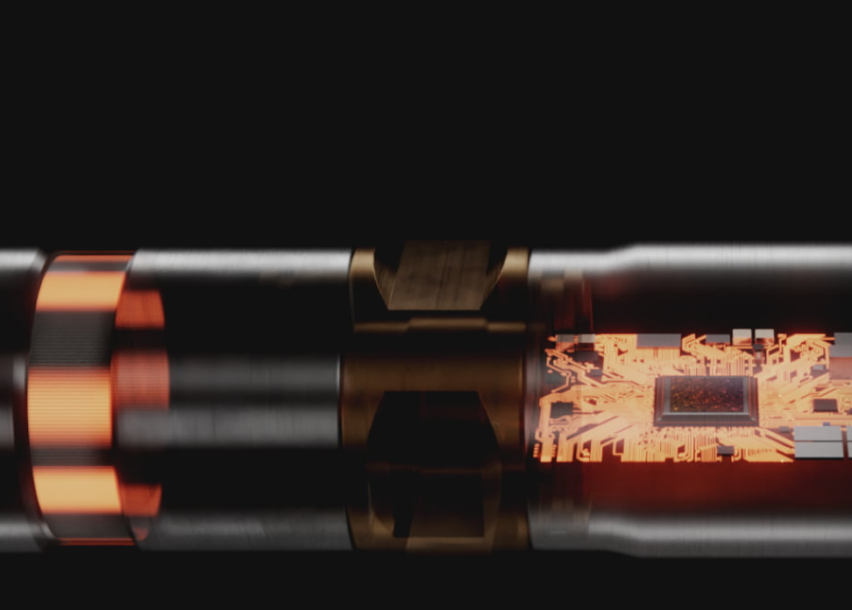
Why We Hate Red Tape
Our entire business is based on the philosophy that we must develop products that are an order of magnitude better than what already exists. We forgo iteration on established solutions and take on the challenges that others didn’t because they were too difficult.
And that’s why we hate bureaucracy. This kind of technological boundary-pushing requires speed, focus, and as little red tape as possible.
We limit processes, rules, and procedures to the bare minimum necessary to keep the business functional, efficient, legal, and optimized. We have an internal mandate to clear the runway for our 100+ Research and Development engineers, ensuring nothing slows down their pace of invention.

The First Principles Engine: Building from Scratch
To develop technology that is an order of magnitude better, you can’t simply amalgamate a tech stack from pieces developed by others. We were forced to design our own transducers, ultrasound chips, compression algorithms, software architectures, and visualization platform – all from scratch – to achieve what we wanted to.
That same approach applies to every challenge at DarkVision. We do everything from first principles – whether it’s a new business model or a new engineering concept, we like to use logic and our engineers’ brainpower to create the best solution to whatever problem is in front of us without making sacrifices on performance.
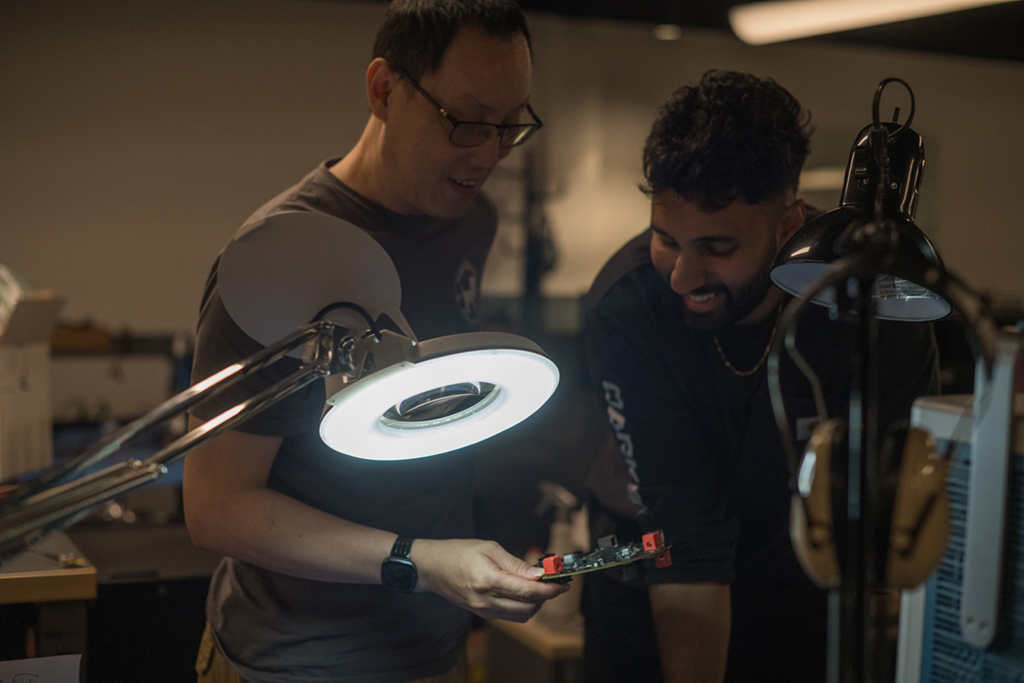
Our engineers work across mechanical engineering, electrical engineering, machine learning, and software engineering. This full-stack approach enables the complete, seamless integration of any innovation, allowing our teams to push the boundary of what is possible instead of being constrained by a bottleneck created by an external entity.
The Rapid Prototyping Advantage
Innovation isn’t just theory; it’s tangible. It’s metal, epoxy, circuit boards, and code.
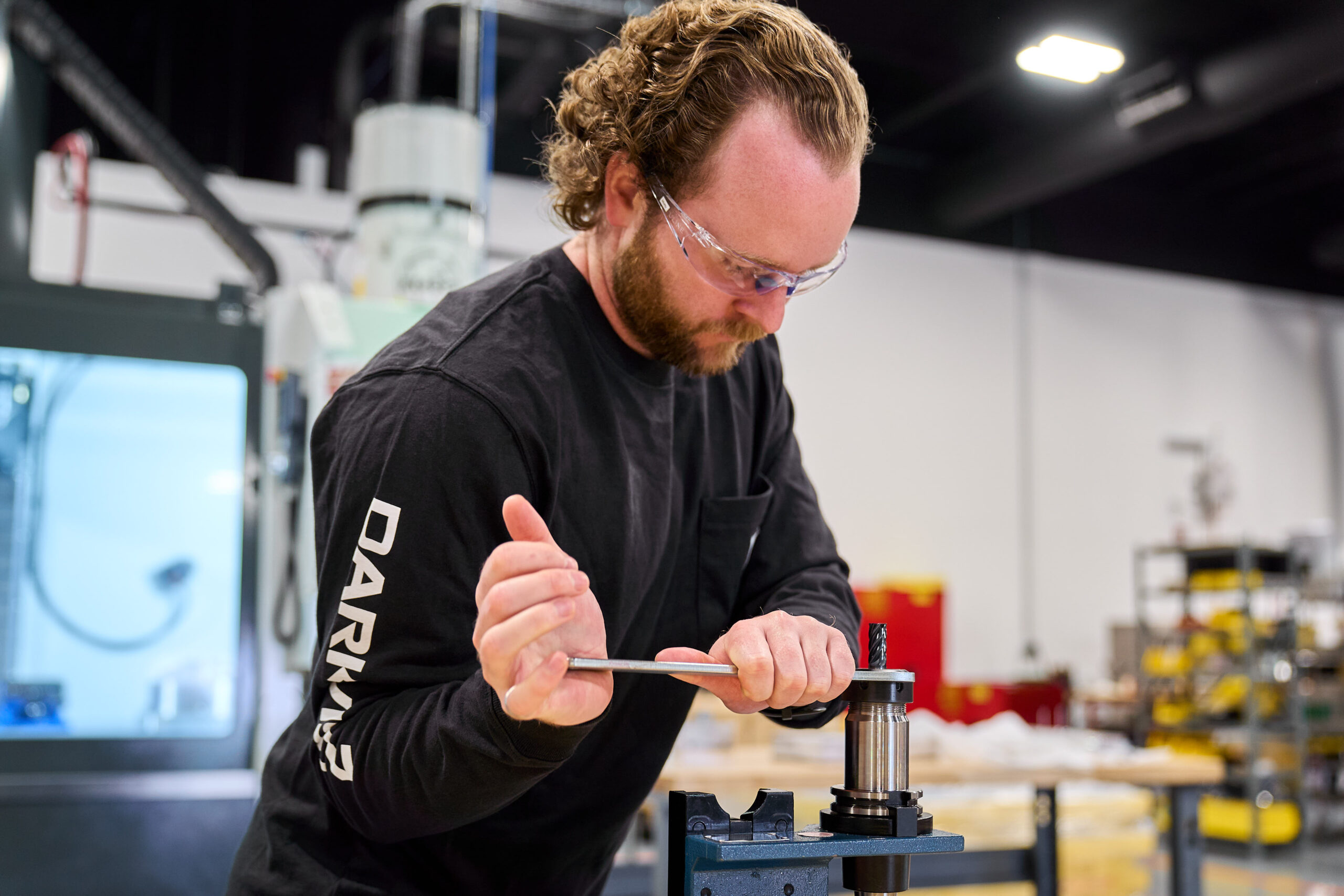
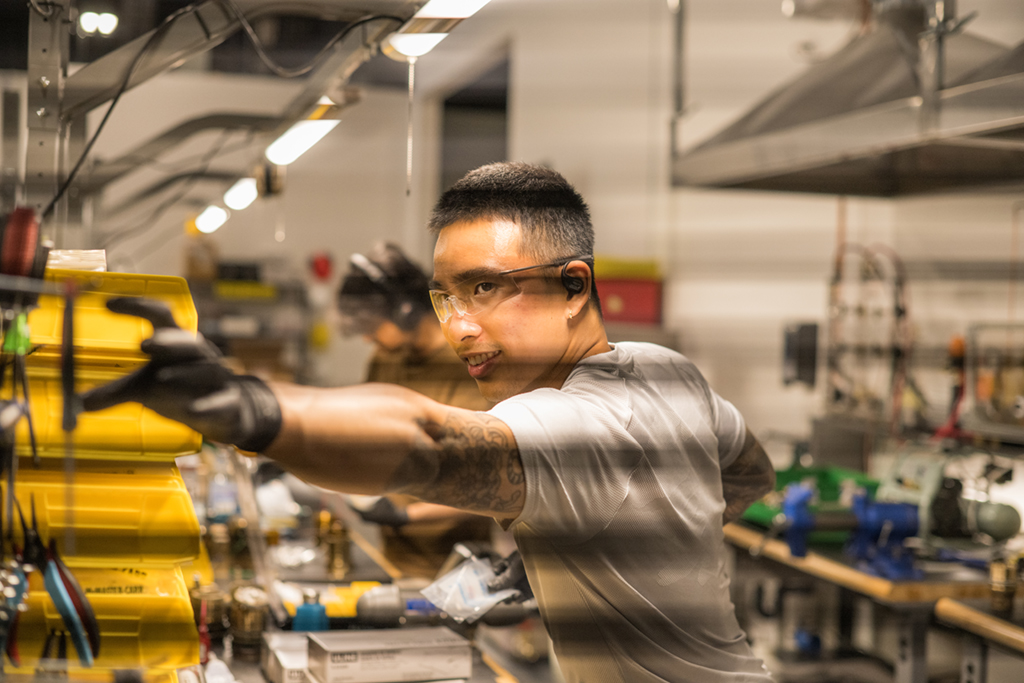
We love it when our engineers get their hands dirty. They design, build, and test our technology from end to end to push the limits on what can be machined, printed, assembled, powered, cooled, shielded, or sealed.
This hands-on culture is enabled by our extensive rapid prototyping resources. We have a massive, in-house machine shop with full-time machinists that allows our mechanical and electrical engineers to rapidly prototype anything they need to validate their design or approach. It unlocks the ability to work with exotic alloys, rare epoxies, stacked machine learning models, and cutting-edge electronics on demand. If they can design it, they can build it.
Rewarding Breakthroughs: The R&D Challenge
We believe that the best ideas often come from the people closest to the problem, not from a management mandate.
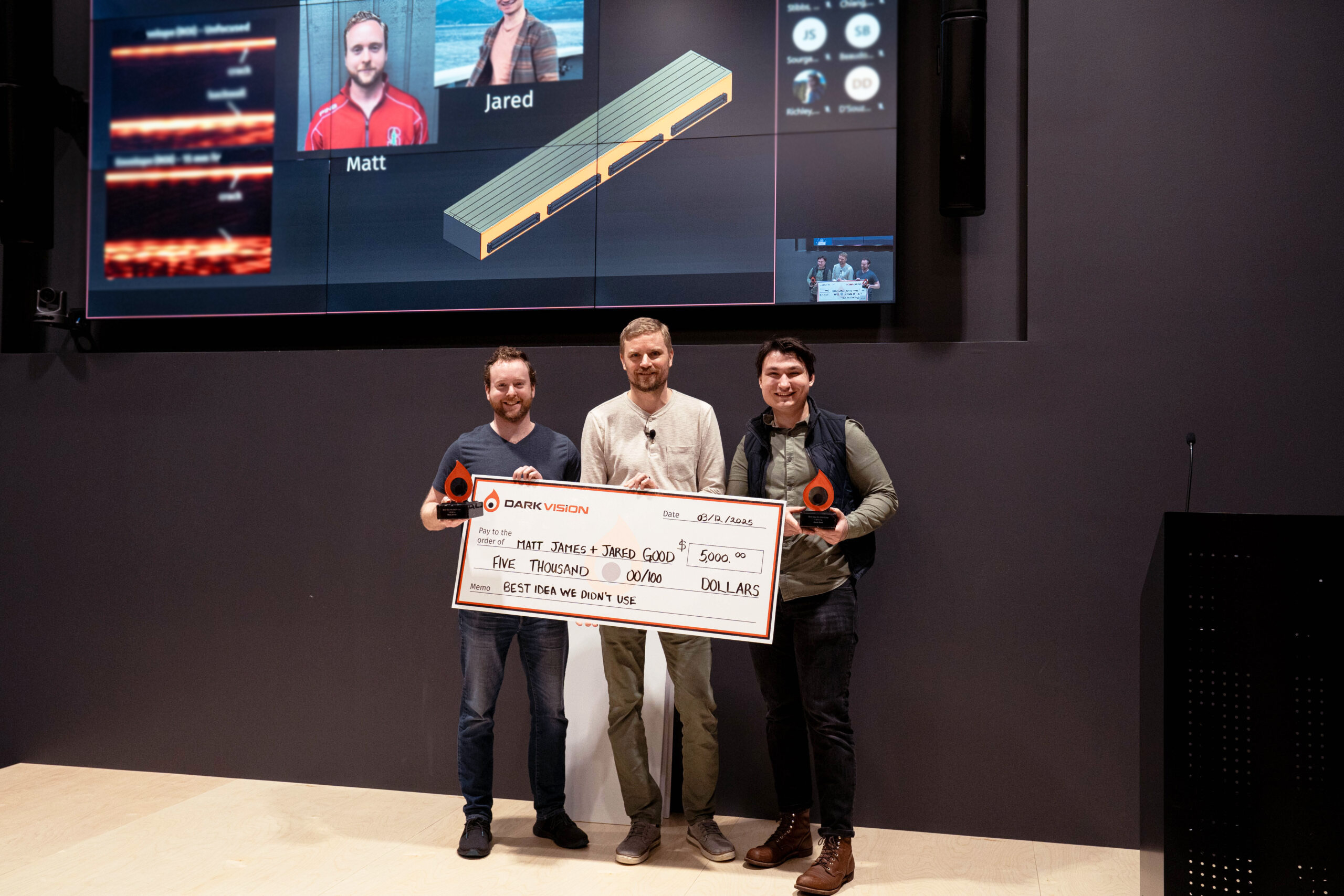
That’s why we have the “DarkVision R&D Challenge.” Engineers spend up to 10% of their time on any project they choose without needing management approval. Our engineers showcase them quarterly, and the results speak for themselves: We’ve seen over 700 ideas come through the R&D Challenge, integrating 160 of them into our products, and generating over 40 patents.
More importantly, we reward innovation and put our money where our mouth is. Our yearly R&D Challenge winners (of which there are many) take home cheques for the best and most impactful ideas. This is complemented by spot bonuses paid for breakthrough innovations across mechanical engineering, electrical engineering, ultrasound research, and machine learning when people outperform.
Beyond the Widget: A Mission with Impact
The projects our engineers work on have real-world impact. The goal isn’t just another widget, but products that help other engineers and asset owners understand the actual health of their physical assets.
Operators need this information so that they can run their assets safely, reliably, and efficiently. The value of the high-fidelity data extends far beyond the ledger: it is the difference between operational success and catastrophic environmental or human risk.
Constant Evolution: Self-Disruption Is Key
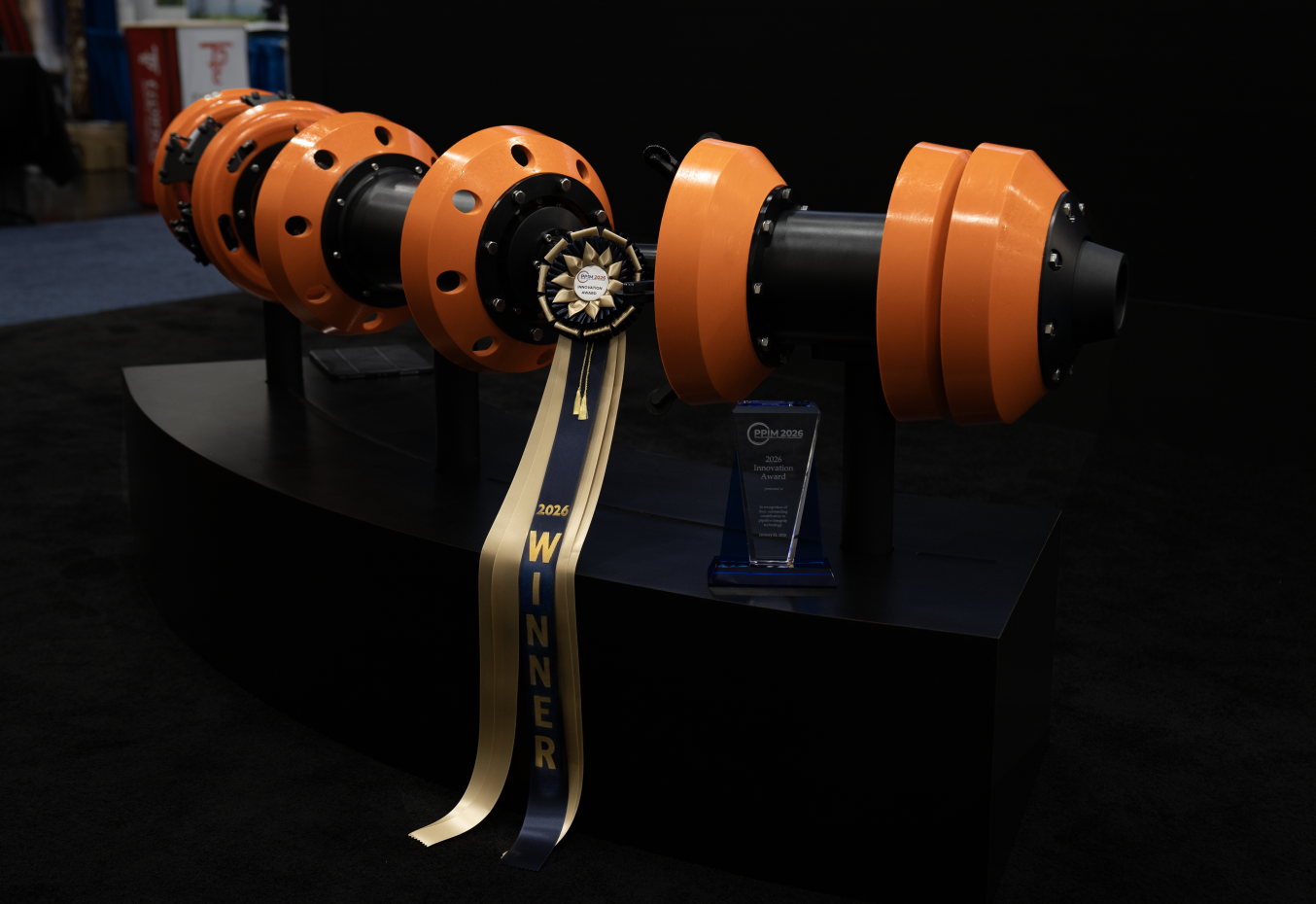
HADES and KRAKEN continue to be used by most of the world’s largest industrial asset owners. These platforms have saved our users billions of dollars from false readings, unknown failure modes, and unoptimized production.
But we are not stopping there.
To remain the world leader in ultrasound imaging, we must always be willing to disrupt ourselves and stay ahead of the game. This challenge requires not just one breakthrough, but many—breaking barriers all along the data acquisition and processing chain.
What’s Next: The 3rd Generation Tech Stack
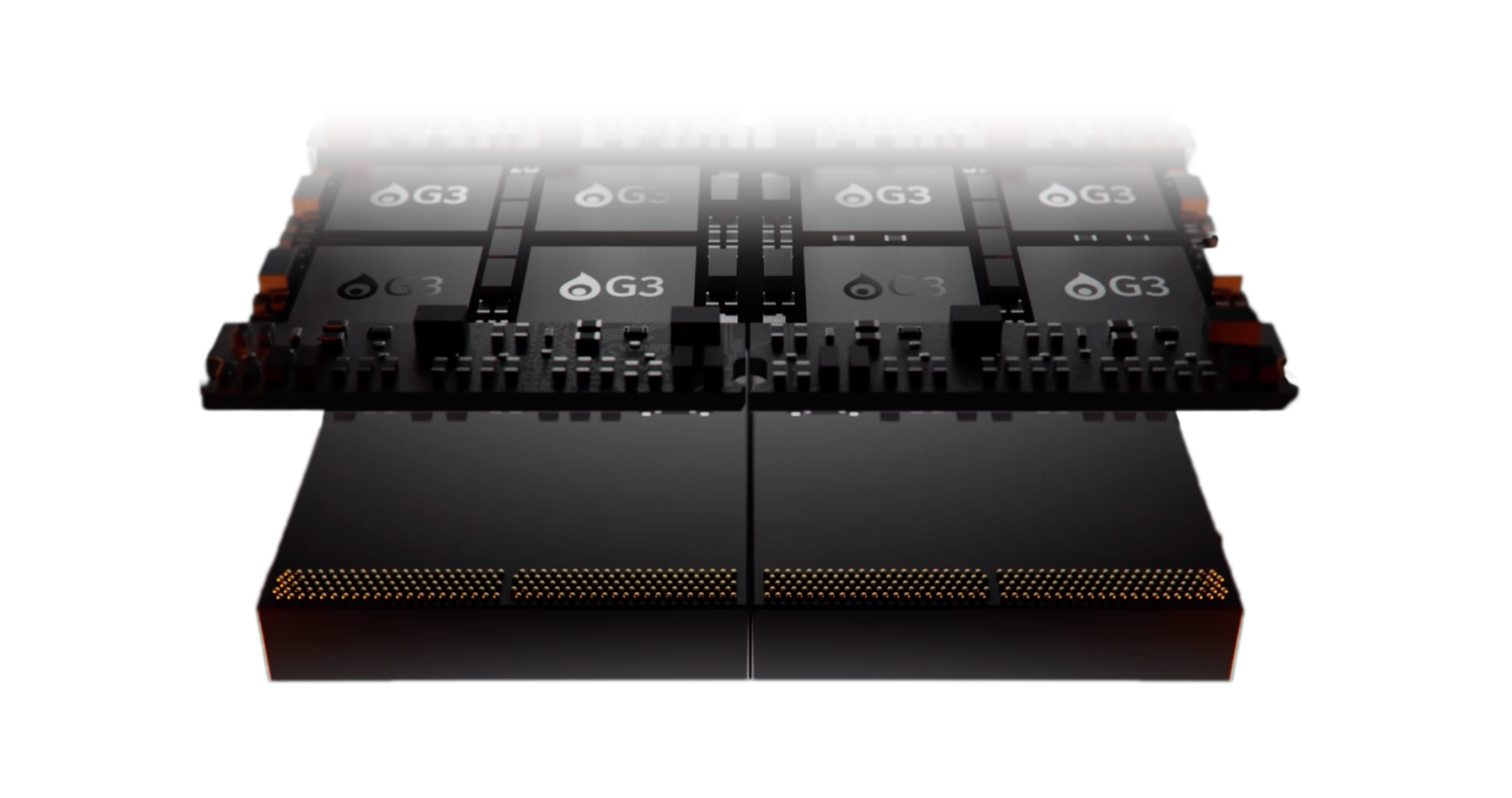
We are now moving onto the 3rd generation of our technology stack. If our previous endeavors weren’t enough, the next leap in our technology is even more ambitious.
This next evolution demands that we push the physical limits of our hardware further than ever before. We are diving deep into the realm of massive 2D arrays, proprietary chips, and a machine learning stack that translates petabytes of ultrasound data into easy-to-understand results. This shift will make the industry fundamentally rethink how high-fidelity data is acquired and processed.
For a decade, we have been pushing the boundaries of what is possible with ultrasound imaging. This isn’t the end; it’s just the beginning of even more groundbreaking innovation. Ultrasound imaging still has vast untapped potential—and DarkVision is leading the technological innovation of the future.
Updates
See all


Newsletter Signup
By clicking Submit you’re confirming that you agree and consent to our Terms and Conditions.